Unlocking Strategy: How Resource Management Multiplayer Games Redefine Team Play
In today's gaming landscape, multiplayer games have evolved significantly, crafting experiences that go beyond just competition. These games often merge strategy with resource management, creating a dynamic atmosphere for players. From epic war games that portray the last scene of intense battles to sports simulations like EA Sports FC 24 Web App, we will explore the innovative ways these games redefine teamwork and strategy.
The Rise of Multiplayer Games
Multiplayer games are not a new concept, but their popularity has surged in recent years. With advancements in technology, players can connect globally, facing off or collaborating in real-time. These experiences are increasingly immersive, often requiring complex strategies to succeed.
Understanding Resource Management
Resource management refers to the strategic allocation of limited resources in games. Players must prioritize tasks, manage supply, and enhance productivity, all while competing or cooperating with others. This element is particularly crucial in multiplayer settings, where group dynamics come into play.
Types of Multiplayer Resource Management Games
- Simulations: Games that simulate real-world systems, requiring players to build and manage resources.
- Real-Time Strategy (RTS): Fast-paced games where players must make strategic decisions on the fly.
- Turn-Based Strategy: Players take turns to make decisions, which allows for more deliberate planning.
- Survival Games: Players must gather resources to survive while facing environmental and enemy threats.
The Mechanics Behind Team Play
In multiplayer resource management games, success often hinges on effective teamwork. Players must communicate, delegate tasks, and develop strategies that leverage each member's strengths. This collaboration enhances engagement and creates a sense of community among players.
Case Study: EA Sports FC 24 Web App
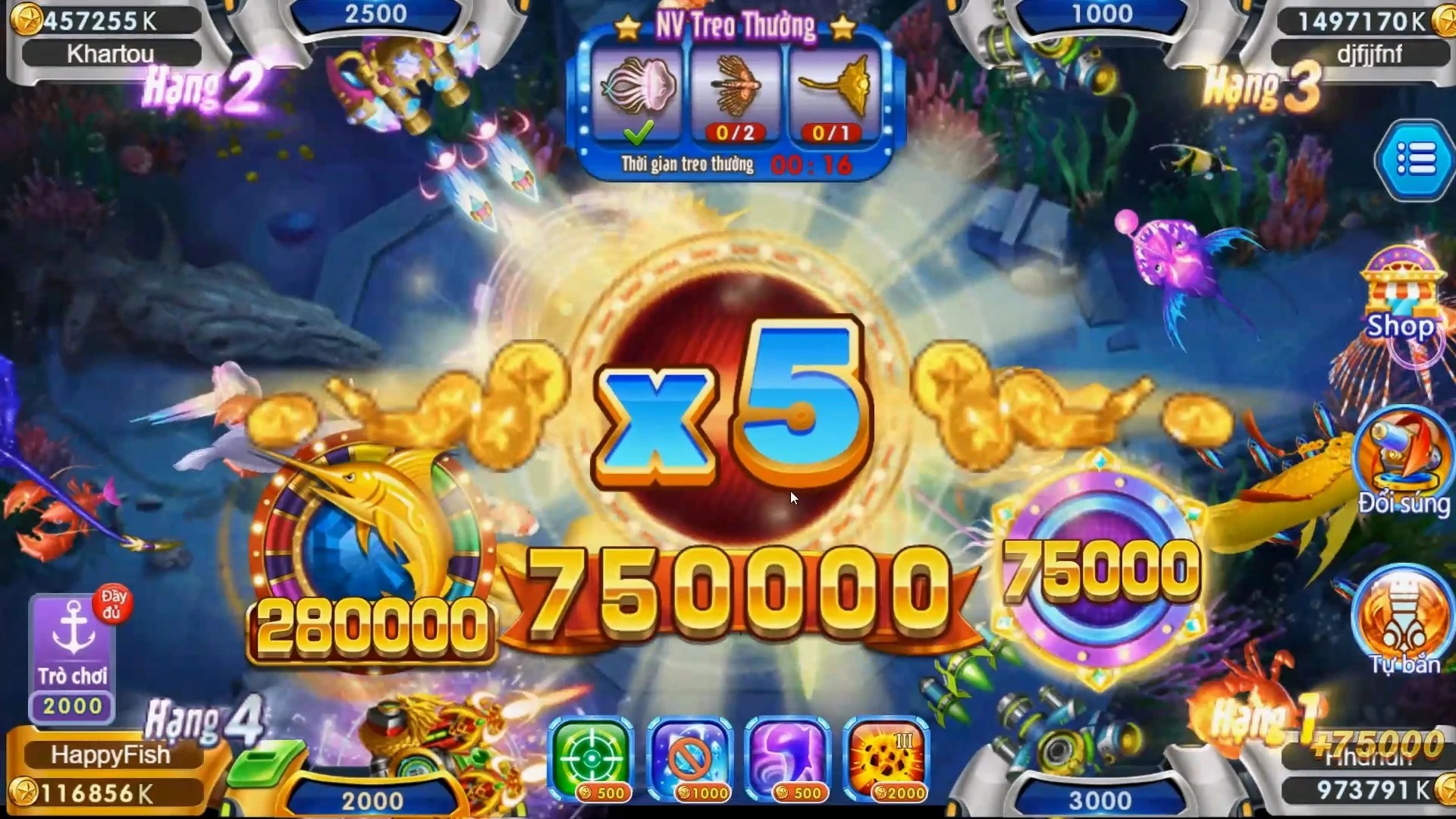
EA Sports FC 24 Web App is a prime example of how resource management intertwines with teamwork in a sports environment. Players are tasked with building their teams, managing resources like coins and player contracts, and competing in various modes. The strategies employed directly affect team performance, illustrating the importance of decision-making.
| Resource | Purpose | Management Strategy |
|---|---|---|
| Coins | Purchasing Players | Prioritize high-value acquisitions |
| Contracts | Player Retention | Balance renewals and signings |
| Stamina | Player Performance | Rotate players to maintain energy |
Communication: The Key to Success
Effective communication is paramount in these games. Teams that establish clear lines of communication can strategize effectively, reducing confusion during gameplay. Whether through voice chat or messaging systems, ensuring everyone is on the same page can be the difference between victory and defeat.
The Psychological Aspect of Team Play
Team dynamics in multiplayer games also involve psychological components. Players often face stress and pressure during intense sessions. Understanding these psychological factors can help players manage their emotions better, leading to improved teamwork and strategy implementation.
Balancing Individual Skill and Team Strategy
While teamwork is crucial, individual player skills also play a significant role in a team's success. Players must balance personal goals with team objectives, ensuring that their efforts contribute positively to the group's strategy. The integration of individual mastery into a cohesive team strategy can yield significant benefits.
Challenges in Resource Management Games
Resource management in multiplayer games is not without its challenges. Players must navigate issues like resource scarcity, competing players, and strategic misalignments. Learning to adapt and overcome these obstacles is essential for success.
Future Trends in Multiplayer Resource Management Games
As technology continues to advance, the future of multiplayer resource management games looks promising. Expect to see improved graphics, more complex gameplay mechanics, and enhanced AI systems. These advancements will lead to even richer gaming experiences, redefining how teams collaborate and strategize.
Conclusion
Resource management multiplayer games are reshaping the gaming landscape, emphasizing the importance of teamwork and strategy. Whether engaging in a thrilling war game depicting the last scene of battle or building a virtual sports empire through platforms like the EA Sports FC 24 Web App, players must learn to collaborate and communicate effectively. As these games continue to evolve, their ability to foster teamwork and strategic thinking will only grow, encouraging both casual and serious gamers to engage in collaborative play.