Why Idle Games Are the Future of Simulation Games: Discover the Ultimate Game-Changer!
In the vast realm of gaming, the evolution of genres is a fascinating phenomenon. Among these, idle games have emerged as a rising star, captivating players and redefining what we know about simulation games. But why the sudden interest? Let’s dive into the core elements making idle games the ultimate game-changer in the simulation category.
Understanding Idle Games
Idle games, also known as incremental or clicker games, have players making minimal interactions while the game progresses. Think of them as the perfect blend of strategy and automation, where gameplay involves clicking or tapping to generate resources and upgrading elements while not actively playing.
The Allure of Casual Play
One primary reason for the success of idle games is their casual appeal. Players can jump in, set up their growth system, and walk away knowing their progress continues. Unlike games like League of Legends, which can experience numerous crashes per match, idle games offer a seamless and stress-free experience.
Benefits of Casual Play
- Accessibility: Suitable for all age groups.
- Low Commitment: No need for intense gameplay sessions.
- Progression Without Pressure: Players feel a sense of achievement without the grind.
Strategic Depth Behind Simplicity
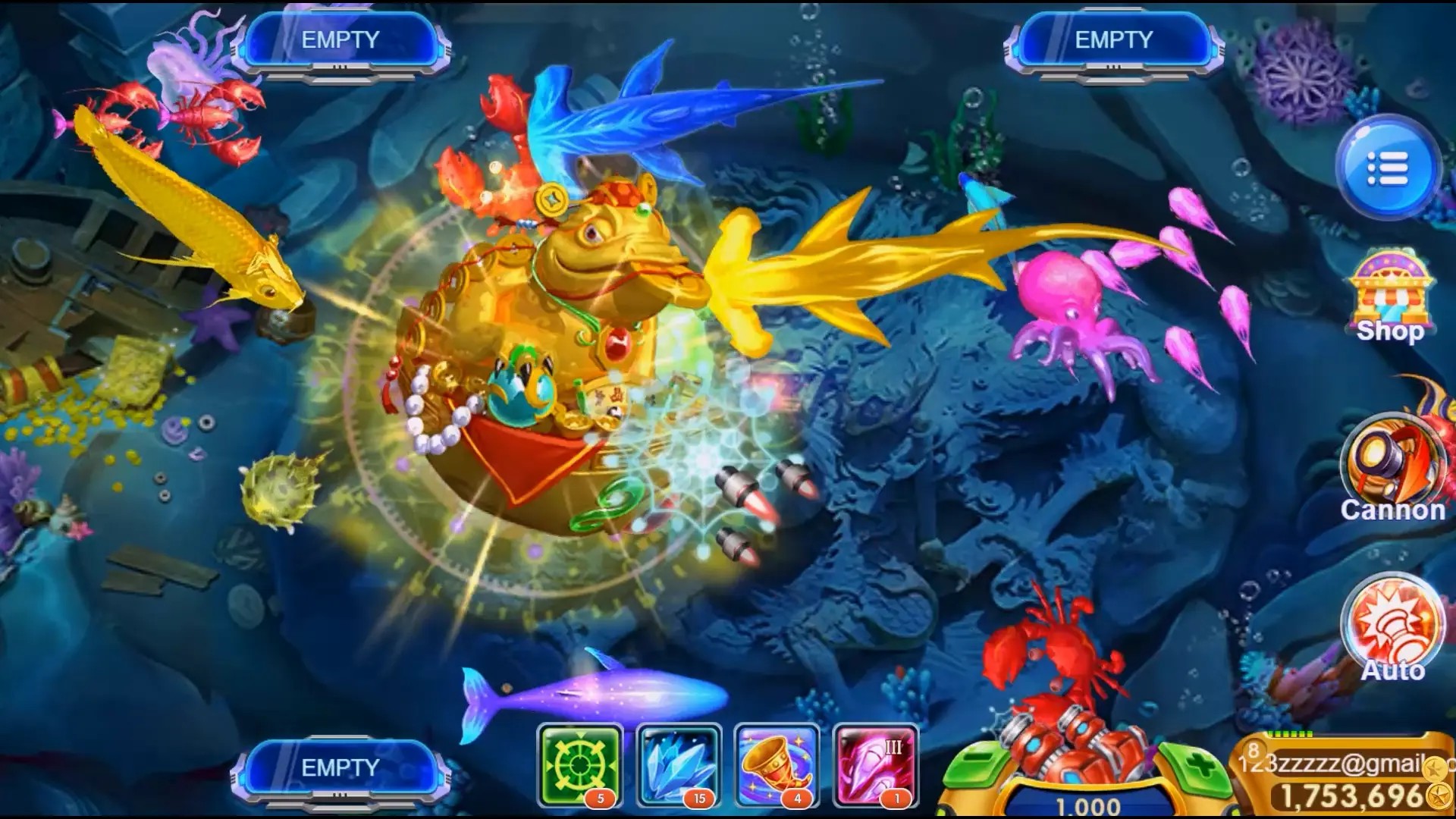
While on the surface this genre might seem simplistic, deep strategy underlies idle games. Players must manage resources, invest wisely, and strategize their upgrades. This balancing act keeps players engaged without overwhelming them. The easy-going mechanics make them enticing, even for hardcore simulation enthusiasts.
Key Strategies in Idle Games
- Resource Management: Understanding which resources to invest in.
- Upgrade Timing: Knowing when to upgrade to maximize efficiency.
- Setting Goals: Establishing both short-term and long-term goals for progress.
The Future of Simulation Gaming
As the gaming industry evolves, idle games are positioned to revolutionize simulation gaming. With their incorporation of automated systems, they can enhance the player experience exponentially. The balance of between active engagement and automated progress offers a unique opportunity for developers to innovate further.
Comparison with Traditional Simulation Games
| Feature | Idle Games | Traditional Simulation Games |
|---|---|---|
| Player Engagement | Minimal | High |
| Time Commitment | Flexible | Structured |
| Monetization | Microtransactions | DLCs and Expansions |
The Role of Community and Trends
The community surrounding idle games has flourished, with social media platforms and forums buzzing with engaging discussions. This has led to a burgeoning culture within which players feel connected, sharing tactics, updates, and experiences.
Conclusion: The Game-Changing Impact of Idle Games
In summary, idle games are undeniably carving a niche within the simulation game landscape. Their blend of accessibility, strategic depth, and community engagement makes them an exhilarating venture into the future of gaming. As we look ahead, it’s clear that these games are not just a passing trend but a substantial evolution in how players interact with simulation content. With innovative updates and a passionate player base, the future indeed seems bright for idle games.