Why Idle Games Are the New Frontier in Strategy Gaming: A Deep Dive into Trends and Gameplay
In the world of gaming, trends come and go, but some genres break through the noise, capturing the hearts and minds of players. Idle games, often underestimated, are assertively making their mark in the strategy gaming sphere. In this article, we'll take you on an exciting journey to understand why idle games are the new frontier in strategy gaming, exploring trends, gameplay mechanics, and what makes them so intriguing.
The Rise of Idle Games
Idle games, or incremental games, are characterized by their unique gameplay mechanics where players typically make progress even when they're not actively playing. This appealing aspect has attracted a diverse audience, and it's not just casual players—serious strategists are also finding joy in this genre.
- Accessibility: Idle games are usually easy to pick up, making them beginner-friendly.
- Low Commitment: Players can enjoy these titles without the need to dedicate large chunks of time.
- Strategic Depth: Many idle games implement complex systems that require strategic thinking.
Mixing Strategy with Idleness
Strategy gaming has historically revolved around active decision-making and real-time tactics. Idle games challenge this norm, blending strategy with a more relaxed pace. Players are granted the ability to plan out their progress meticulously, adjusting their strategies even during periods of inactivity. Here's a comparison between traditional strategy games and idle games:
| Aspect | Traditional Strategy Games | Idle Games |
|---|---|---|
| Gameplay Style | Active participation | Passive progression |
| Time Investment | Long sessions | Short bursts or inactivity |
| Strategic Decision Making | Real-time | Planned and executed over time |
Trends Reshaping the Idle Game Landscape

Recent trends show a surge in the popularity of idle games, driven by mobile platforms and the unique ways developers are engaging their audiences. For instance, games often incorporate elements from popular franchises, educational elements, or community-driven events.
Moreover, with titles like The Last War Survival Game introducing mechanics like alliance markers, players are encouraged to cooperate and strategize even more, creating a community aspect that traditional idle games have previously lacked. This shifts the tapestry of how idle games can be enjoyed and diversified further.
Why You Should Get Into Idle Games
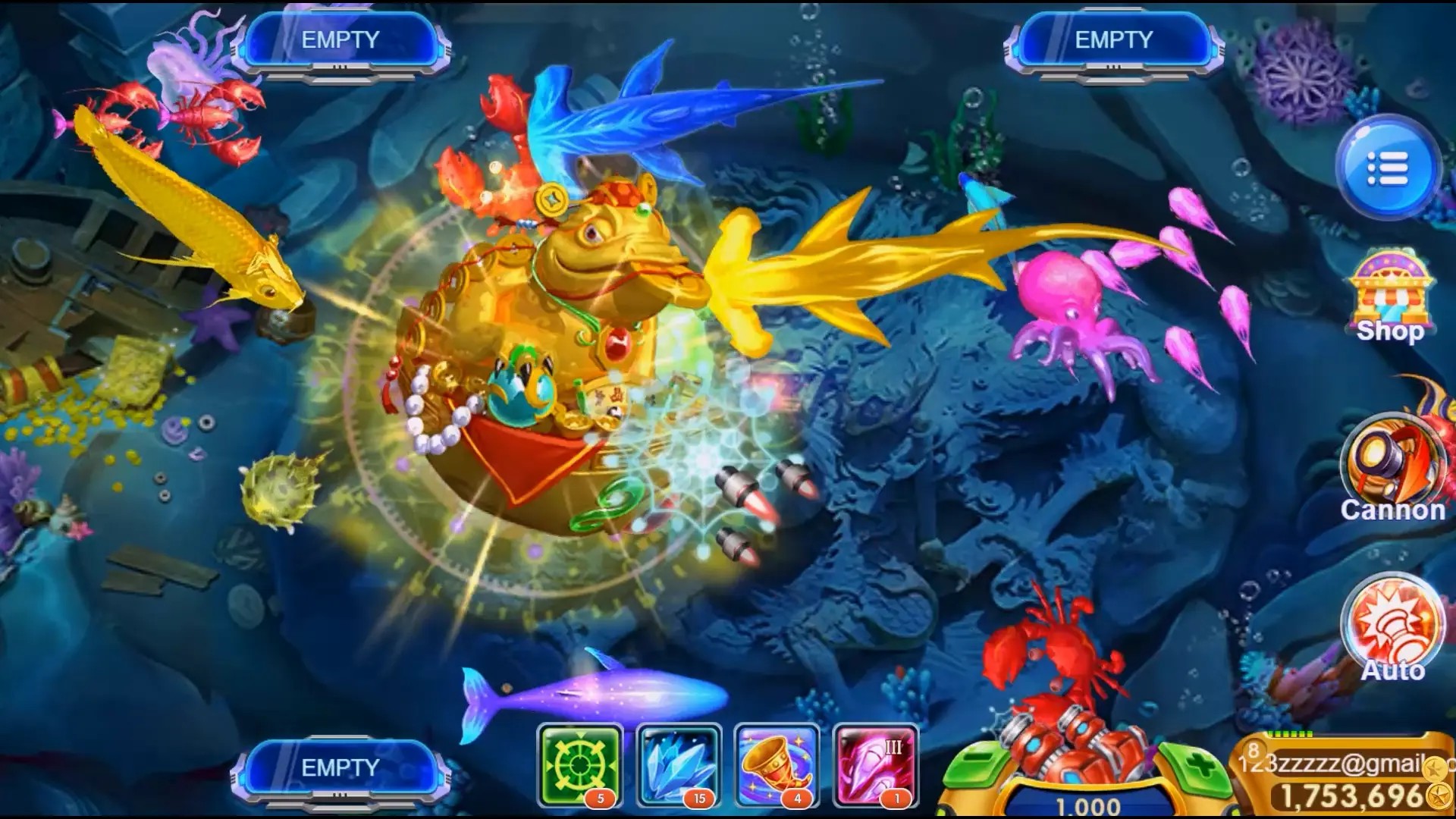
Now, you might be wondering, "Why should I pay attention to idle games?" Here are some compelling reasons:
- They're Fun: While their mechanics may seem simplistic, they are engaging and can be surprisingly addictive.
- Community Driven: Many idle games foster solid community engagement, giving players a social platform to share strategies and tips.
- Strategic Thinking: Devising your approach, reallocating resources, and planning for future upgrades can sharpen your strategic skills.
Idle games' ability to mix relaxation with strategic depth offers a unique gaming experience that appeals to both casual players and seasoned strategists alike. Whether you're navigating crises like "Cod Waw PC crashes after a match" or diving deep into the empire-building in idle games, there's always a strategic element at play.
Conclusion
The rise of idle games signifies an evolution in how we perceive strategy gaming. With accessibility, community involvement, and strategic depth, they promise to engage players like never before. For those on the fence about stepping into this genre, now's the time to dive in. Embrace the idleness and let strategy unfold!